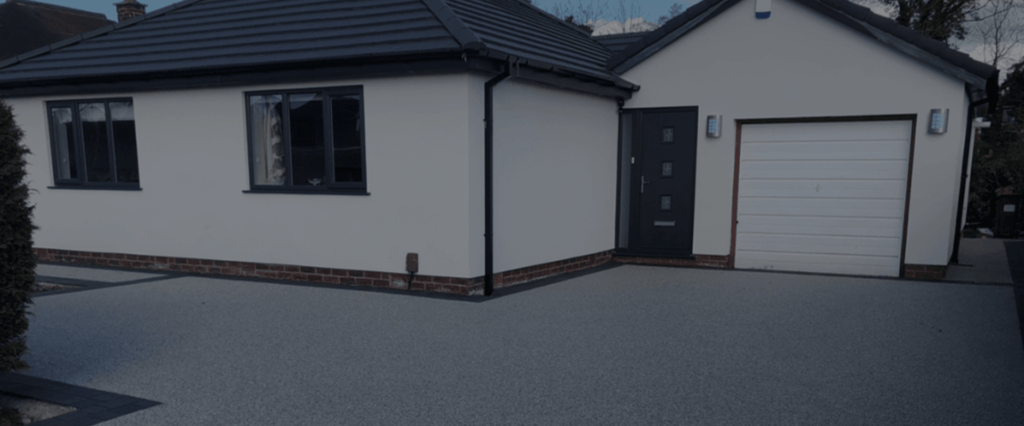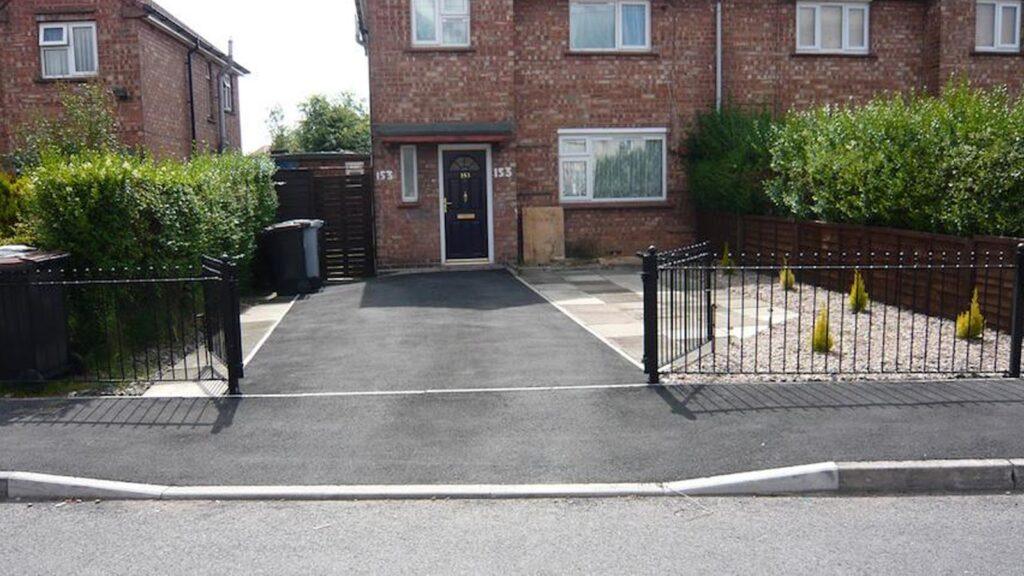

Groundworks in Epping
Epping homeowners planning a driveway, patio, extension, or new build project face ground conditions shaped by the town’s position at the northern gateway to Epping Forest and the undulating terrain of the Essex/Hertfordshire border. Groundworks in Epping is not a preparatory task that can be handled with a generic specification. It is the structural layer that determines the long-term performance of every surface, drainage system, and building above it. Across the CM16 postcode, ground conditions include London Clay across the main residential areas, glacial till on the higher ridge ground, variable subsoil profiles on the forest fringe, and drainage characteristics that reflect the town’s elevated and undulating position above the Lee and Roding river systems.
Paverose Paving and Landscaping has delivered professional groundworks across Epping and the wider Essex area for over 30 years, bringing site-specific assessment and locally matched specification to every project.
Groundworks Services for Epping Residential Properties
Paverose provides a complete range of groundwork services for residential properties across the CM16 postcode area. Whether the scope is a driveway sub-base for an Epping town property, deep excavation for an extension foundation on the forest fringe, or a drainage installation for a waterlogged garden in Coopersale, every service is delivered by a locally experienced team to the same standard of ground preparation that has defined Paverose’s reputation across Essex for over three decades.
| 01 Driveway Sub-Base Preparation |
| What it is:
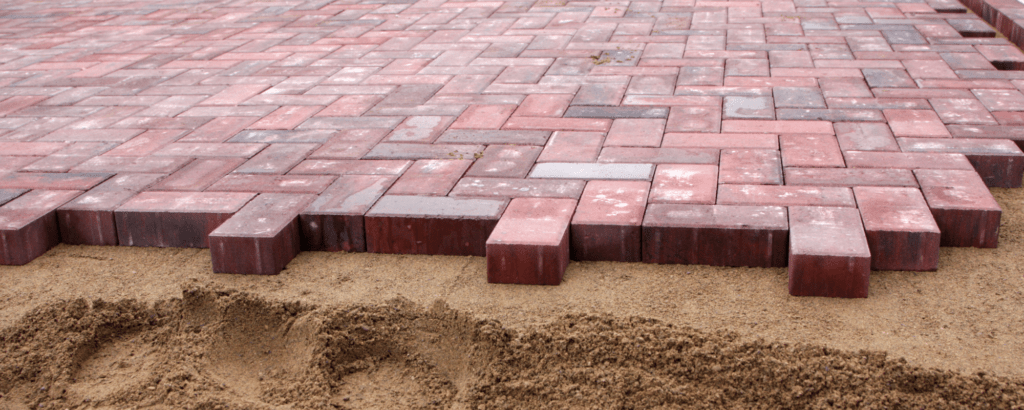
Excavation, ground clearance, and compacted sub-base installation to the correct depth and specification for the driveway surface above. The sub-base is the structural layer that prevents sinking, cracking, and surface failure after installation. |
| Why it matters in Epping:
Epping’s London Clay ground across the main residential areas creates seasonal shrink-swell movement that affects any surface laid without adequate sub-base preparation. On forest fringe properties, Epping Forest tree root systems can extend well beyond visible canopy, affecting moisture levels in sub-base ground. A driveway sub-base that does not account for clay movement and root influence will develop ruts, cracking, and edge failure within a few years regardless of the surface material above. |
| Local context:
The most in-demand groundwork service across CM16 driveways. Particularly relevant across the main Epping residential streets where driveway upgrades are frequent and where inadequate sub-base preparation is the most common cause of premature surface failure. |
| 02 Patio Foundations |
| What it is:
Ground excavation, levelling, and sub-base preparation for patio installations, ensuring a stable, correctly graded base that prevents paving from settling, cracking, or lifting over time. |
| Why it matters in Epping:
A patio laid on inadequate foundations will fail on Epping’s clay ground. Clay-heavy subsoil creates seasonal movement that underspecified foundations cannot resist. On forest fringe properties, moisture extraction by Epping Forest trees accelerates clay shrinkage in dry summers, creating more demanding foundation conditions than typical suburban clay ground. Correct excavation depth, proper compaction, and appropriate fall direction are all determined at the groundwork stage. |
| Local context:
Particularly relevant across Epping Green and Ivy Chimneys properties where Epping Forest proximity creates the most demanding patio foundation conditions in the CM16 area. Paverose assesses each site individually before specification is confirmed. |
| 03 Garden Drainage |
| What it is:
Design and installation of below-ground drainage systems including soakaways, channel drains, French drains, and permeable sub-bases to manage surface water and prevent waterlogging across gardens, driveways, and paved areas. |
| Why it matters in Epping:
Drainage requirements in Epping vary across the town. On clay-heavy residential ground, natural percolation is limited and sub-base drainage provision is required on most driveway and patio projects. In lower areas toward Coopersale and the Roding Valley margin, elevated groundwater reduces soakaway viability and requires drainage systems designed to manage surface water through channels and discharge rather than ground percolation alone. Gardens and driveways built without considered drainage become liabilities through the Essex wet seasons. |
| Local context:
Garden drainage assessments are included as standard on all Paverose groundwork projects. Particularly important for Coopersale and valley-adjacent properties where groundwater levels make drainage design essential before any surface finish is laid. |
| 04 Retaining Walls Groundwork |
| What it is:
Foundation excavation and concrete base preparation for retaining walls, ensuring the structural footing is sufficient to handle the lateral ground pressure the wall will face once constructed. |
| Why it matters in Epping:
A retaining wall without correctly specified foundations is a structural risk. In Epping, where the town’s undulating ridge terrain creates natural level changes across many residential plots, and where forest fringe properties often have sloped gardens that follow the woodland topography, an undersized or shallow footing will fail under lateral ground pressure during saturated conditions. On clay ground with mature trees nearby, the combination of lateral soil pressure and seasonal moisture fluctuation creates demanding conditions for retaining wall foundations. |
| Local context:
Most relevant for forest fringe properties in Epping Green and Ivy Chimneys where sloped terrain and garden level changes are most common. Also required where garden or driveway improvements create new level changes that need permanent structural retaining features. |
| 05 Extension Foundations |
| What it is:
Excavation, concrete, and building foundation installation for single-storey and two-storey residential extensions, completed to building regulations specification and ready for superstructure construction above. |
| Why it matters in Epping:
Extension foundations in Epping must account for London Clay geology, significant mature tree influence in forest fringe areas, and groundwater proximity in lower valley locations. Clay shrinkage during dry summers and expansion during wet winters creates ground movement that shallow foundations cannot resist. On properties close to Epping Forest, tree root zone assessment is a prerequisite before foundation depth is specified. Building Control in Epping applies strict foundation specification requirements and all Paverose extension groundwork is completed in compliance with those standards. |
| Local context:
One of the most technically demanding groundwork services Paverose delivers across Essex. The combination of shrinkable clay and mature Epping Forest tree proximity creates extension foundation specification challenges that require thorough site-specific assessment on every forest fringe project. |
| 06 New Build Groundworks |
| What it is:
Full site preparation, excavation, drainage installation, and concrete foundation construction for new residential builds, covering everything below ground level before superstructure work begins. |
| Why it matters in Epping:
New build groundworks require the most comprehensive site assessment of any project type. In Epping, this means evaluating soil bearing capacity, proximity to Epping Forest tree root systems, Roding Valley groundwater influence in lower areas, drainage infrastructure, and the type of ground present at foundation depth. A new build on inadequately prepared ground in this forested location is a long-term structural liability regardless of the quality of construction above. |
| Local context:
Paverose delivers new build groundworks across Epping for self-build clients and residential developers. Each project begins with a full site survey before any ground is broken. Scope, specification, and timeline are confirmed in writing before groundwork commences. |
Building Foundations in Epping: Specification That Matches the Ground
Foundation decisions in Epping are shaped by two factors more than any other: the London Clay geology that underlies the town’s main residential areas and the Epping Forest tree root systems that extend into adjoining residential ground on the forest fringe. Strip foundations remain the most common solution for residential extensions and new builds, but required depth in Epping is frequently at the upper end of standard clay specifications, and on forest fringe properties may exceed standard ranges considerably. Building Control in Epping Forest District requires minimum depths matched to actual clay and tree conditions on every project.
Strip and Pad Foundations Near Epping Forest
Strip foundations run continuously along the line of load-bearing walls and transfer structural weight into stable ground below. In Epping, particularly on forest fringe properties, the required depth depends heavily on tree species, distance from the building line, and the seasonal desiccation zone created by root moisture extraction from clay. Oak and beech trees common along the Epping Forest boundary create the most pronounced foundation depth requirements of any woodland species on clay soil in Essex.
Raft Foundations and Variable Subsoil Conditions
Raft foundations distribute load across a wider ground area and are suited to sites where bearing capacity is low or variable. In Epping, this situation arises on lower valley-adjacent plots where alluvial ground conditions reduce effective bearing capacity, and on sites where variable clay layers or made ground are encountered during excavation. The design of a raft must account for the worst-case bearing condition across the entire footprint.
Why Epping’s Ground Conditions Change Every Groundwork Decision
Epping sits on London Clay and glacial till with variable subsoil profiles across the town’s undulating ridge terrain. The defining feature that distinguishes Epping groundwork from most Essex locations is the Epping Forest boundary and its mature woodland extending into adjoining residential plots. Clay absorbs water readily, swells under saturation, and contracts significantly during dry periods. When large mature trees draw moisture from clay soil during summer, localised shrinkage creates desiccation zones around root systems that can extend 15 metres or more from a tree trunk. This is the primary cause of foundation failure on clay sites near woodland in Essex, and it is a condition that applies to a significant number of Epping residential properties.
Excavation Depth and Epping Forest Root Zone
Excavation near Epping Forest must account for both clay shrink-swell movement and the extended root systems of forest-boundary trees. On clay ground with significant tree influence, foundation depth is determined not just by soil type and structural loading, but by the calculated desiccation zone for the relevant tree species and height. Paverose includes a root zone influence assessment as part of every site evaluation on Epping properties close to the forest boundary.
Drainage Design on Ridge and Valley Ground
Epping’s ridge position means that surface water runoff from higher residential ground affects lower plots and valley-adjacent properties. Drainage design in Epping must account for both the clay’s limited percolation capacity and the directional flow of surface water across the town’s undulating terrain. Paverose designs drainage systems that intercept and manage surface water at source rather than allowing it to accumulate.
What 30 Years of Groundwork Experience Across Essex Delivers
Three decades operating as a groundworks contractor across Essex produces practical knowledge that no qualification replicates. It means understanding the specific foundation depth demands that Epping Forest proximity places on clay ground, recognising which tree species and proximity distances create the most significant root zone influence, and specifying groundworks accordingly. It means knowing how Epping’s ridge position affects surface water drainage on lower plots and designing drainage provision that accounts for this from the outset.
As a full-service paving and landscaping company based in Chelmsford, Paverose manages the complete scope of outdoor projects covering all six groundwork services above, plus driveway surfacing, patio installation, landscaping, and drainage across the full Epping area. A single contractor managing both groundwork and surface installation means better specification alignment, cleaner accountability, and no gaps between the structural preparation and the finished surface above it.
The Paverose Groundworks Process: From First Assessment to Finished Project
| # | Stage | What Happens |
| 1 | Free Site Assessment | A Paverose specialist visits the Epping property and assesses ground conditions, soil type, drainage patterns, Epping Forest tree proximity, root zone influence, and existing subbase. Free, no obligation, and the starting point for every groundwork decision. |
| 2 | Clear Scope and Quote | Requirements are translated into a detailed, itemised quote covering excavation depth, materials, drainage specification, and installation stages. No hidden costs. A confirmed start date is agreed before any work begins. |
| 3 | Site Preparation and Excavation | Ground is cleared, excavated to the correct depth, and prepared to specification. Soil conditions and tree influence across Epping vary considerably, and every excavation is matched to what the ground actually requires on that specific plot. |
| 4 | Installation and Completion | Sub-base, concrete, drainage, or structural elements are installed to the agreed specification. The site is left clean, level, and ready for the surface finish above. The project is not signed off until the work holds up to inspection. |
Residential Groundworks Across Epping Neighbourhoods
| Area and Postcode | Ground Conditions and Typical Project Types |
| Epping Town CM16 | Ridge location with established residential streets and mature tree coverage. Extension foundations and driveway sub-base preparation are the most common project types. Tree proximity requires root zone assessment on many plots throughout the town. |
| Epping Green CM16 | Forest fringe location with significant Epping Forest tree influence. Extension foundation depth is elevated above standard clay specifications. Retaining wall groundwork and patio foundations are in high demand on sloped forest-edge plots. |
| Ivy Chimneys CM16 | Northeast Epping with forest boundary proximity. Foundation specifications must account for mature tree root zone desiccation. Drainage groundworks are equally important on this clay-heavy ground with limited natural percolation. |
| Coopersale CM16 | Lower valley-adjacent area south of Epping town. Drainage groundworks are the priority before any surface finish. Elevated groundwater in lower areas reduces soakaway viability and requires surface water discharge drainage design. |
| North Weald Bassett CM16 | Rural village to the west with more open agricultural ground. Driveway sub-base and extension foundation groundworks are the most common project types. Ground conditions are more settled than forest fringe areas. |
| Thornwood CM16 | Southern rural approach to Epping with mixed subsoil profiles. Extension foundations and patio groundworks are equally in demand. Individual site assessment guides all specification decisions. |
| Fiddlers Hamlet CM16 | Small settlement on the eastern margin. Driveway and patio foundation groundworks are the most frequent requirements. Ground conditions vary and require site-specific assessment before specification is confirmed. |
| Upland Road Area CM16 | Western Epping residential streets with typical clay ground. Sub-base preparation and extension foundations are the most in-demand groundwork types. Compaction standards are matched to clay conditions on every project. |
Groundworks Across Essex: Coverage Beyond Epping
Paverose provides the same standard of professional groundworks across Epping and all major Essex locations. Each location page covers locally specific ground conditions, typical project types, and the groundwork services most relevant to properties in that area.
| Not in Epping? No problem. Paverose covers all Essex locations above. Call 01245 830238 or WhatsApp +44 7777 500117 to confirm availability for your postcode. |
Frequently Asked Questions About Groundworks in Epping
| Q What are groundworks and why do they matter for an Epping property? |
| A Groundworks refers to all below-ground construction activity including excavation, sub-base preparation, drainage installation, and foundation construction that takes place before any surface or structure is built above. In Epping, where London Clay combined with significant Epping Forest tree root zone influence on the forest fringe creates some of the most demanding suburban groundwork conditions in Essex, properly specified groundworks are the single most important factor in the long-term performance of any driveway, patio, extension, or new build. |
| Q How deep does a foundation need to be in Epping? |
| A Foundation depth in Epping depends on soil type, structural load, and critically, proximity to Epping Forest trees. On clay ground without significant tree influence, Building Control typically requires a minimum of 900mm to 1200mm deep. On forest fringe properties where mature oaks or beeches are within 15 to 20 metres of the proposed foundation, depth may need to increase to 1500mm or beyond to get below the zone of seasonal desiccation created by root moisture extraction. A Paverose site assessment confirms the required depth before any specification is agreed. |
| Q Why does Epping Forest proximity affect foundation depth so significantly? |
| A Large mature trees draw significant moisture from clay soil through their root systems, particularly during dry summers. This creates localised desiccation zones in the clay around the tree where the soil shrinks more than the surrounding ground, causing differential settlement in any foundation that does not reach below this zone. The oak and beech trees common along the Epping Forest boundary are among the species that create the most pronounced foundation depth requirements on clay soil in Essex. Underestimating this factor is one of the most common causes of foundation failure on clay sites near Epping Forest. |
| Q Do I need planning permission for groundworks in Epping? |
| A Most residential groundworks do not require planning permission. Sub-base preparation for driveways, patio foundations, garden drainage, and extension foundations generally fall within permitted development rights. However, work close to Epping Forest boundary trees, that significantly alters ground levels, or that is associated with a structure requiring planning consent may need prior approval from Epping Forest District Council. Tree preservation orders are common in Epping and can create additional constraints on excavation near protected trees. Paverose confirms the planning position for every project scope before work begins. |
| Q How does Epping’s ridge position affect drainage groundworks? |
| A Epping’s elevated ridge position means that surface water runoff from higher residential ground flows toward lower plots and the valley margin at Coopersale. This directional surface water flow affects drainage design across many Epping properties, as systems must intercept and manage water coming from upslope as well as water generated on the plot itself. In lower areas close to the Roding Valley margin, elevated groundwater also reduces soakaway viability. Paverose designs drainage systems that account for both surface water direction and groundwater level at each specific plot. |
| Q How long does a groundworks project in Epping take? |
| A Duration depends on project scope and ground conditions. Driveway sub-base preparation for a standard residential plot typically takes one to two days. Patio foundation groundworks complete in one to three days. Extension foundations vary from three to seven days for a single-storey rear extension to two or more weeks for larger scopes or forest fringe projects requiring deeper excavation. A Paverose site assessment produces a realistic timeline for each specific project. |
| Q Does Paverose cover groundworks outside Epping in Essex? |
| A Yes. Paverose covers all major Essex locations for residential groundworks including Chelmsford, Colchester, Brentwood, Billericay, Basildon, Southend-on-Sea, Rayleigh, Wickford, Harlow, Witham, Maldon, Clacton-on-Sea, Loughton, Grays, and Chigwell. Call 01245 830238 to confirm availability and arrange a free site assessment for your specific postcode. |
Start Your Groundworks Project in Epping: Free Site Assessment
Sound groundwork is the investment that makes every surface, structure, and outdoor space above it perform as it should. Whether the project is a driveway sub-base in Epping town, extension foundations on an Epping Green forest fringe plot where tree root zone influence must be fully assessed before depth is confirmed, or a full drainage overhaul for a Coopersale garden close to the valley floor, getting the below-ground preparation right determines everything that follows. Paverose has been delivering that standard as one of the most experienced local groundworks contractors serving Epping and Essex for over 30 years. No inflated estimates. No generic specifications. Just an honest site assessment, a clear scope, and groundwork that holds up under Epping’s demanding forest fringe conditions for the long term.