
Groundworks in Brentwood
Brentwood homeowners looking for a trusted local groundworks contractor soon find that the borough’s London Clay geology creates demands that only experience on this specific soil type can meet. Groundworks in Brentwood is shaped almost entirely by the presence of deep, shrinkable London Clay across CM13, CM14, and CM15. This clay absorbs moisture, expands under saturation, and contracts sharply during dry periods. That seasonal cycle places structural stress on every driveway, patio, extension, and new build above it, and any groundwork that does not account for it at specification stage will show visible failure within a few years. Paverose Paving and Landscaping has delivered professional groundworks across Brentwood and the surrounding Essex area for over 30 years, bringing the depth of experience that Brentwood’s demanding ground conditions require.
Properties across Brentwood’s CM postcodes each present the same underlying clay challenge in different forms. Hutton and Shenfield properties, many of them substantial Victorian and Edwardian houses, sit on clay-heavy ground where deep root systems from established trees create additional desiccation zones that extend the depth at which stable foundation bearing is found. Pilgrims Hatch and Ingatestone plots tend toward larger footprints where the scale of excavation and drainage work is greater. Mountnessing and Herongate properties on the outer edges of the borough sit on ground that holds water persistently through winter, making drainage groundworks a prerequisite on almost every project. Paverose has worked across all of these conditions and delivers a specification matched to what the ground on each specific Brentwood site actually requires.
Groundworks Services for Brentwood Residential Properties
Paverose provides a complete range of groundwork services for residential properties across the CM13, CM14, and CM15 postcode areas. Whether the project is a driveway sub-base on a Shenfield clay plot, retaining wall foundations on a sloped Brentwood garden, or extension groundworks on a Hutton property with mature trees nearby, every service is delivered by an experienced Essex-based team to the same standard of preparation that has defined Paverose’s reputation across the county for over three decades.
| 01 Driveway Sub-Base Preparation |
| What it is:
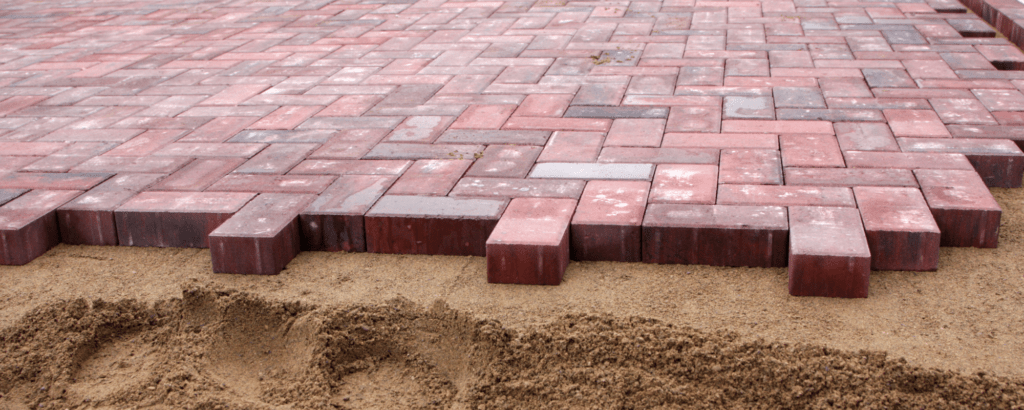
Excavation, ground clearance, and compacted sub-base installation to the correct depth and specification for the driveway surface above. The sub-base is the structural layer that prevents sinking, cracking, and surface failure after installation. |
| Why it matters in Brentwood:
Brentwood’s London Clay creates one of the most demanding conditions for driveway sub-base work in Essex. The clay shrinks during dry summers and expands under winter saturation, generating vertical and lateral movement that an inadequately specified sub-base cannot absorb. A Brentwood driveway sub-base must be excavated to a greater depth than on free-draining soil, compacted in controlled layers, and include drainage provision that prevents moisture building up within the sub-base layer itself. |
| Local context:
The highest-demand groundwork service across CM13, CM14, and CM15. Shenfield and Hutton see consistent demand for driveway upgrades where original surfaces were laid on inadequate sub-bases. The failure pattern, including surface cracking, edge sinking, and centre rutting, is almost always the result of sub-base depth and drainage being underspecified at the original installation stage. |
| 02 Patio Foundations |
| What it is:
Ground excavation, levelling, and sub-base preparation for patio installations, ensuring a stable, correctly graded base that prevents paving from settling, cracking, or lifting over time. |
| Why it matters in Brentwood:
Patio foundations on Brentwood’s London Clay must be specified to resist the seasonal ground movement that affects all clay-bearing sites in the borough. Paving laid on a shallow or poorly compacted base on this soil type will develop cracked slabs, open joints, and surface settlement within two to three winters. The correct approach is deeper excavation, proper compaction in layers, and integration of drainage from the outset. These decisions are made at the groundwork stage and cannot be corrected without lifting the entire patio surface after installation. |
| Local context:
A frequent project type across CM14 and CM15 where garden renovation is common and where older patios installed without adequate sub-base preparation are being replaced. Paverose specifies patio foundations individually for each Brentwood site, with excavation depth and drainage design confirmed during the site assessment before any work begins. |
| 03 Garden Drainage |
| What it is:
Design and installation of below-ground drainage systems including soakaways, channel drains, French drains, and permeable sub-bases to manage surface water and prevent waterlogging across gardens, driveways, and paved areas. |
| Why it matters in Brentwood:
Garden drainage is one of the most consistently required groundwork services across Brentwood because London Clay does not allow surface water to percolate naturally. Gardens, driveways, and lawns on Brentwood’s clay-heavy ground hold water on the surface during wet periods, creating persistent waterlogging that damages planting, undermines paved surfaces, and makes outdoor spaces unusable for much of the autumn and winter. A drainage solution designed for the specific conditions of each plot must be integrated into the groundwork before any surface improvement begins. |
| Local context:
Paverose includes drainage assessment as a standard part of every site visit across the CM13, CM14, and CM15 postcode area. Where a standard soakaway is unsuitable due to clay soil permeability, alternative solutions including French drains, channel drainage, and connection to existing surface water infrastructure are specified. Mountnessing and Herongate properties are particularly affected by poor natural drainage and benefit most directly from correctly specified drainage groundworks. |
| 04 Retaining Walls Groundwork |
| What it is:
Foundation excavation and concrete base preparation for retaining walls, ensuring the structural footing is sufficient to handle the lateral ground pressure the wall will face once constructed. |
| Why it matters in Brentwood:
Brentwood’s topography includes a number of sloped residential plots where changes in ground level require structural retaining features. On London Clay, the lateral pressure exerted on a retaining wall during saturated conditions is considerably greater than on free-draining soil. A retaining wall footing that is undersized for these conditions will fail under that pressure, often presenting as leaning, cracking, or complete overturning of the wall structure. Paverose specifies retaining wall foundations based on retained height, soil classification, and anticipated groundwater levels on each specific Brentwood site. |
| Local context:
Most relevant for sloped garden plots across Hutton, Pilgrims Hatch, and the outer CM15 postcode where changes in ground level between neighbouring properties are common. New retaining wall installations and replacement of failed existing walls are among the more frequent structural groundwork requests Paverose receives from across the Brentwood area. |
| 05 Extension Foundations |
| What it is:
Excavation, concrete, and building foundation installation for single-storey and two-storey residential extensions, completed to building regulations specification and ready for superstructure construction above. |
| Why it matters in Brentwood:
Extension foundations in Brentwood are among the most technically demanding residential groundwork projects in Essex because of the depth requirements imposed by London Clay and the prevalence of mature trees across the borough’s established residential streets. Building Control Brentwood requires strip foundations to reach below the zone of seasonal clay shrinkage, which on heavily vegetated plots can extend to 1.5 metres or deeper. This is significantly more than the standard depth used on less demanding ground, and underspecifying this depth is a direct route to foundation movement after construction. |
| Local context:
Paverose has delivered extension foundation groundworks across CM13, CM14, and CM15 for both single-storey rear extensions and larger two-storey projects. Every extension project begins with a site assessment that confirms clay depth, tree root influence, proximity to drainage infrastructure, and the foundation depth and type required by Building Control before specification is agreed and any excavation begins. |
| 06 New Build Groundworks |
| What it is:
Full site preparation, excavation, drainage installation, and concrete foundation construction for new residential builds, covering everything below ground level before superstructure work begins. |
| Why it matters in Brentwood:
New build groundworks in Brentwood require a comprehensive pre-construction assessment that accounts for London Clay depth, groundwater levels, tree influence, and drainage capacity across the entire build footprint. The scale and technical demands of new build groundwork here are greater than in most Essex locations because of the depth at which stable bearing ground is consistently found across CM postcodes. Specifying new build foundations from standard tables without site investigation is not appropriate on Brentwood’s clay ground. |
| Local context:
Paverose delivers new build groundworks for self-build clients and residential developers across the Brentwood area. Full site surveys precede all new build specifications. Scope, foundation design, drainage strategy, and timeline are confirmed in writing before any ground is broken. Coordination with structural engineers, architects, and Building Control Brentwood is managed throughout the foundation and drainage installation phases. |
Building Foundations in Brentwood: The London Clay Challenge
Building foundations in Brentwood are more technically demanding than in most Essex towns because London Clay is one of the most challenging soils for foundation design in the country. It has high plasticity, meaning it changes volume significantly with moisture content. It is classified as highly shrinkable by the National House Building Council, which means foundation depths in Brentwood must exceed those used in areas with less reactive soil. Understanding this and specifying accordingly is not optional. It is the baseline requirement for any foundation work on Brentwood ground.
Tree Root Influence on Foundation Depth in Brentwood
Brentwood’s established residential streets in Hutton, Shenfield, and the older parts of CM14 are lined with mature trees that have been extracting moisture from the London Clay beneath them for decades. This extraction creates desiccation zones that extend the depth at which consistent, stable soil conditions are found. On a Brentwood plot with mature trees within 10 to 15 metres of a proposed extension, Building Control Brentwood may require foundation depths of 2 metres or more to reach below the zone of root influence. Paverose assesses tree proximity and root influence as a standard part of every extension foundation site visit in the borough.
Raft Foundations on Made Ground and Fill
Several areas of Brentwood, particularly on sites with previous structures or where ground levels have been altered, contain made ground or fill material at shallow depth. Strip foundations through made ground into stable clay below may be appropriate in some cases, but where the fill layer is deep or variable, a raft foundation distributing load across the full footprint may provide better long-term performance. Paverose identifies the presence of made ground during the site assessment and recommends the appropriate foundation type for the specific conditions found on each plot.
Why Brentwood’s London Clay Affects Every Groundwork Decision
London Clay is the defining factor in almost every groundwork decision made across Brentwood’s CM postcodes. Its high water retention means that gardens and unpaved areas stay wet well into spring. Its shrink-swell behaviour means that dry summers and wet winters create a seasonal cycle of ground movement that affects every surface and structure above it. Its low natural permeability means that drainage cannot rely on natural percolation and must be engineered into every project from the outset. For over 30 years, Paverose has been making these decisions on Brentwood’s London Clay ground, and that accumulated experience informs every groundwork specification the company produces.
Seasonal Ground Movement and Surface Performance
The shrink-swell cycle of London Clay is most pronounced during the contrast between dry Essex summers and wet winters. Surfaces laid without adequate sub-base depth and drainage lose their structural integrity from the bottom up. The clay below expands and contracts, the inadequate sub-base cannot accommodate the movement, and the surface above develops cracks, settlement, and differential movement between sections. Paverose addresses this at specification stage on every Brentwood project rather than treating it as a risk to manage after installation.
Drainage Design Before Surface Installation
No surface installation on Brentwood’s London Clay should begin without a drainage assessment confirming how surface and sub-surface water will be managed. On clay soil, water that enters the sub-base layer has nowhere to go unless drainage is actively designed in. Trapped water accelerates the freeze-thaw and wet-dry cycles that degrade sub-base compaction and eventually cause surface failure. Paverose integrates drainage design into every Brentwood groundwork project scope as a standard element, not an optional addition.
What 30 Years of Groundwork Experience Across Essex Delivers in Brentwood
Operating as a groundworks contractor across Essex for three decades means Paverose has encountered every condition Brentwood’s London Clay presents. It means understanding which parts of CM13 and CM14 have the deepest clay profiles and what that means for excavation planning. It means knowing that a Hutton extension foundation project near a line of mature oaks requires a depth assessment before a single metre of specification can be confirmed. It means recognising that a Shenfield driveway with surface cracking after two winters almost certainly has an inadequate sub-base rather than a surface material failure.
That local, accumulated knowledge is what Paverose delivers on every Brentwood groundwork project. Not a standard specification applied from a template, but a site-assessed, condition-matched approach to what the ground on that specific plot actually requires. Homeowners across Brentwood have returned for second projects, referred neighbours, and come back years later to extend original scopes. That sustained reputation across CM13, CM14, and CM15 is the result of groundwork that performs under Brentwood’s conditions year after year.
The Paverose Groundworks Process: From First Assessment to Finished Project
Brentwood homeowners consistently identify the same concern when discussing groundworks projects: not knowing what is happening at each stage, when the next phase will begin, and what the final cost will look like when all variables are accounted for. Paverose addresses this with a clear four-stage process on every project. Scope, cost, and timeline are all confirmed before any ground is broken.
| # | Stage | What Happens |
| 1 | Free Site Assessment | A Paverose specialist visits the property and assesses ground conditions, soil type, drainage patterns, and existing subbase. This is free, no obligation, and the starting point for every groundwork decision that follows. |
| 2 | Clear Scope and Quote | Requirements are translated into a detailed, itemised quote covering excavation depth, materials, drainage specification, and installation stages. No hidden costs. A confirmed start date is agreed before any work begins. |
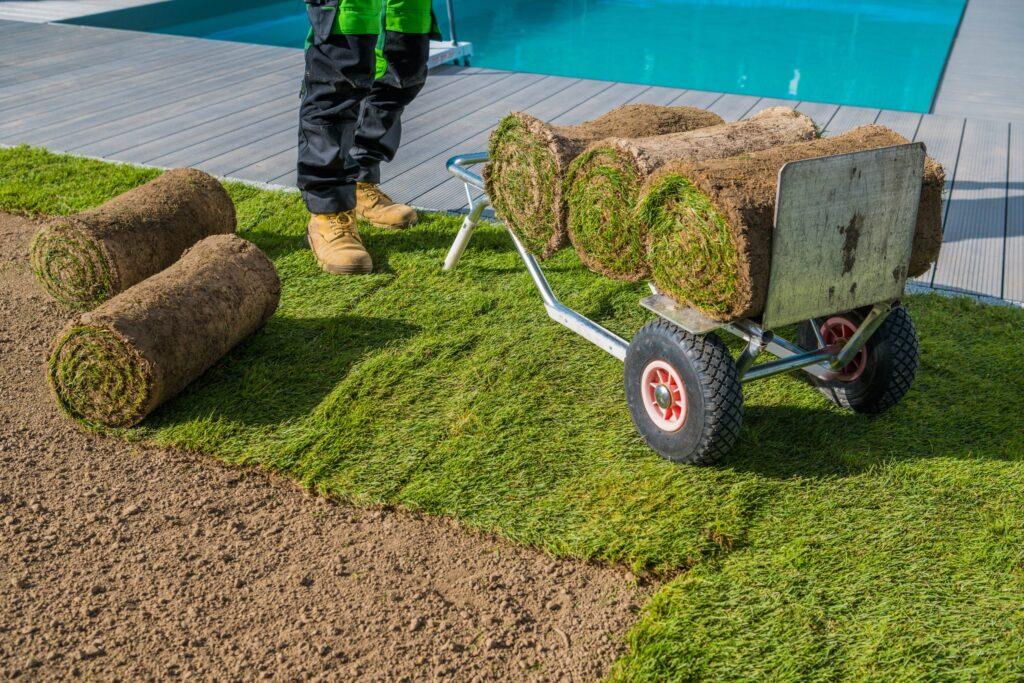
| 3 | Site Preparation and Excavation | Ground is cleared, excavated to the correct depth, and prepared to specification. Soil conditions vary across Essex and every excavation is matched to what the ground actually requires on that specific plot. |
| 4 | Installation and Completion | Sub-base, concrete, drainage, or structural elements are installed to the agreed specification. The site is left clean, level, and ready for the surface finish above. The project is not signed off until the work holds up to inspection. |
Residential Groundworks Across Brentwood Neighbourhoods
Paverose delivers residential groundworks across all neighbourhoods and surrounding communities within the CM13, CM14, and CM15 postcode area. Each part of Brentwood presents its own combination of ground conditions, property character, and typical groundwork project types. This local understanding shapes how every project is assessed, specified, and delivered.
| Hutton CM13
Established residential area with substantial Victorian and Edwardian housing stock on London Clay. Mature tree prevalence makes extension foundation depth assessment a critical first step on every project. Sub-base preparation for driveway upgrades is the most frequent groundwork request in this area. |
Shenfield CM15
Active commuter suburb with strong demand for driveway and patio groundworks. London Clay across CM15 requires properly specified sub-base depth and drainage on all surface installation projects to prevent the premature cracking and settlement that affects work carried out to inadequate specification. |
| Pilgrims Hatch CM15
Residential area with a mix of property ages and plot sizes. Extension foundations are a common project type here, with foundation depth confirmed during site assessment to account for clay depth and any tree root influence on individual plots. |
Ingatestone CM4
Village setting with a range of property types including older farmhouses and more recent residential development. Drainage groundworks are frequently required before surface improvements begin, particularly on plots that have experienced persistent waterlogging during wet seasons. |
| Herongate CM13
Rural-edge properties with larger plots on clay-heavy ground that holds water persistently through winter. Drainage groundworks are a prerequisite on most surface installation projects here. New build groundworks and extension foundations are also common given the larger plot sizes typical of this area. |
Mountnessing CM15
Semi-rural location with properties on clay ground that drains poorly. Garden drainage installations are among the most consistently requested groundwork services across this postcode, with soakaway suitability assessed during every site visit before drainage specification is confirmed. |
| Warley CM14
Suburban Brentwood with established housing and strong demand for driveway sub-base preparation and patio foundation groundworks. Clay-heavy ground here requires careful specification to avoid the surface failure that results from under-depth sub-base installation. |
West Horndon CM13
Southern edge of the Brentwood area with a mix of residential and light industrial uses. Residential groundworks here focus primarily on driveway sub-base and patio foundation projects, with drainage assessment included as standard given the clay soil conditions across this postcode. |
Groundworks Across Essex: Coverage Beyond Brentwood
Paverose provides the same standard of professional groundworks across Brentwood and all major Essex locations. If the property is outside Brentwood, the nearest location page is listed below. Each page covers locally specific ground conditions, typical project types, and the groundwork services most relevant to properties in that area. For postcode confirmation, contact Paverose directly and availability will be confirmed within one business day.
| Not in Brentwood? No problem. Paverose covers all Essex locations above. Call 01245 830238 or WhatsApp +44 7777 500117 to confirm availability for your postcode. |
Frequently Asked Questions About Groundworks in Brentwood
| Q Why does London Clay make groundworks in Brentwood more demanding than other areas? |
| A London Clay is classified as highly shrinkable, meaning it changes volume significantly with moisture content. It expands under saturation and contracts during dry periods. This seasonal cycle creates ground movement that affects every surface and structure above it. Foundations must be deeper in Brentwood than on free-draining soil to get below the zone of movement. Sub-bases must be thicker and include drainage provision. Drainage cannot rely on natural percolation. Every groundwork decision across CM13, CM14, and CM15 is shaped by these clay characteristics. |
| Q How deep do extension foundations need to be in Brentwood? |
| A Extension foundation depth in Brentwood depends on clay depth, tree proximity, and structural loading. On standard London Clay without significant tree influence, Building Control Brentwood typically requires strip foundations of at least 1 metre. On plots with mature trees within 10 to 15 metres of the proposed extension, required depth can reach 1.5 to 2 metres or more to get below the zone of root desiccation. Paverose confirms the required depth during the site assessment on every Brentwood extension project before any specification is agreed. |
| Q Can a soakaway work on Brentwood’s London Clay ground? |
| A Standard soakaways are generally not effective on London Clay because the soil does not allow water to percolate at a useful rate. A soakaway in clay-heavy ground will fill quickly and drain slowly, providing little practical benefit during heavy rainfall. Paverose assesses drainage options during every Brentwood site visit and specifies alternatives where soakaways are unsuitable, including French drains, channel drainage systems, and where appropriate, connection to existing surface water infrastructure. |
| Q How does tree proximity affect groundworks on Brentwood properties? |
| A Mature trees on London Clay extract moisture from the soil and create desiccation zones that extend well beyond the visible canopy edge. In these zones, the clay is drier and more contracted than the surrounding ground, and the depth at which stable, consistent soil conditions are found increases significantly. For extension foundations or any groundwork adjacent to mature trees in Brentwood, the required excavation depth must account for root zone influence. Paverose assesses tree proximity and root influence as a standard part of every site assessment across the Brentwood area. |
| Q What is the most common groundworks project across Brentwood CM postcodes? |
| A Driveway sub-base preparation is the most frequently requested groundwork service across CM13, CM14, and CM15. The majority of requests come from homeowners replacing existing driveways that have developed cracking, surface rutting, or edge failure, which in almost all cases is the result of the original sub-base being underspecified for Brentwood’s London Clay ground conditions. Paverose specifies replacement sub-bases to a depth and drainage standard that addresses the root cause of the failure rather than simply relaying a surface over the same inadequate preparation. |
| Q Do I need planning permission for groundworks in Brentwood? |
| A Most residential groundworks in Brentwood do not require planning permission. Driveway sub-base preparation, patio foundations, garden drainage, and extension foundations generally fall within permitted development rights, subject to the extension itself having approval where required. Work that significantly alters ground levels or creates new connections to public drainage infrastructure may require prior approval from Brentwood Borough Council. Paverose confirms the planning position for every project scope before any work begins. |
| Q Does Paverose cover all parts of Brentwood and the surrounding CM postcode area? |
| A Yes. Paverose covers all residential areas across CM13, CM14, and CM15 including Hutton, Shenfield, Pilgrims Hatch, Ingatestone, Herongate, Mountnessing, Warley, and West Horndon, as well as surrounding communities across the Brentwood borough. Coverage also extends across all major Essex towns beyond Brentwood. Call 01245 830238 to confirm availability for a specific postcode and arrange a free site assessment. |
Start Your Groundworks Project in Brentwood: Free Site Assessment
Whether the project is a driveway sub-base on Shenfield clay, extension foundations on a Hutton plot with mature trees, or a drainage installation on a persistently waterlogged Herongate garden, getting the groundwork specification right for Brentwood’s London Clay is what determines whether every surface and structure above it performs over the long term. Paverose has been delivering that specification across CM13, CM14, and CM15 for over 30 years. Every project starts with a free, honest site assessment. Scope, cost, and timeline are confirmed before any ground is broken. No generic estimates and no standard templates applied regardless of what the ground actually contains.