
A new driveway is one of the most visible investments you can make in your home. It is the first thing visitors see, the last thing you look at when you leave in the morning, and a feature that directly affects your property’s kerb appeal and market value. With three dominant material choices available in Chelmsford and across Essex, resin bound, block paving and tarmac, the decision is not always straightforward. Each material has its own cost profile, its own lifespan, its own maintenance demands, and its own visual character.
At PaveRose Driveways and Landscaping, we have been installing all three surface types across Chelmsford and the wider Essex region for over 30 years. We have no agenda towards any particular material: we install them all and we know exactly how each one performs in the real-world conditions of Essex gardens and driveways. This guide gives you an honest, experience-based comparison so you can make a confident decision.
Understanding the Three Main Driveway Materials
Resin Bound Driveways
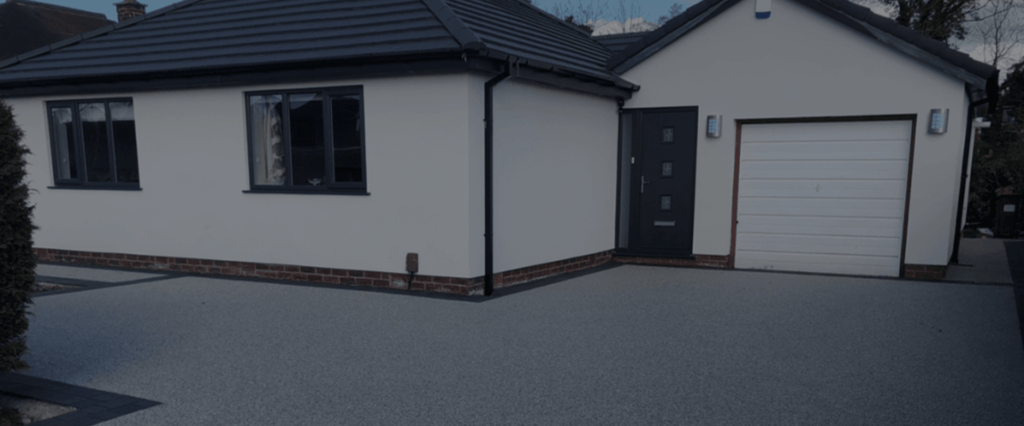
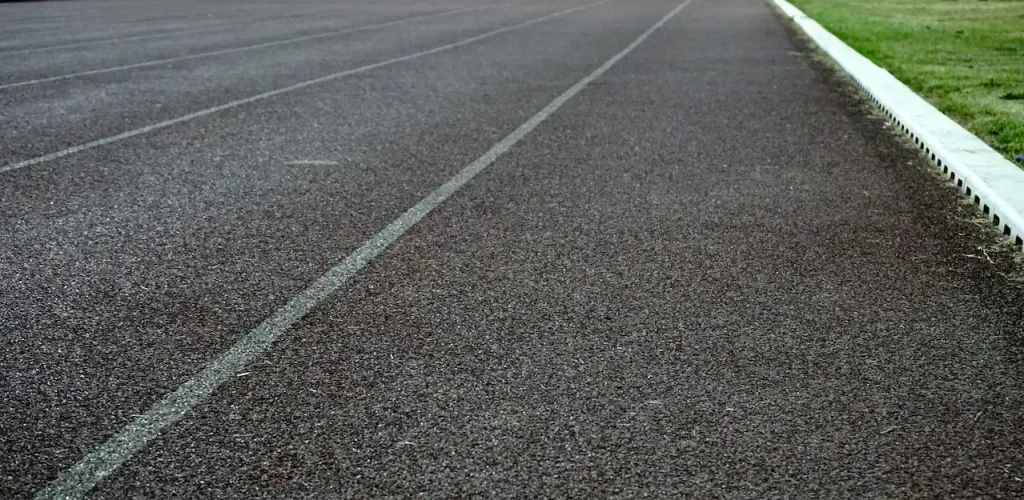
Resin bound surfacing is created by mixing natural aggregate stones with a two-part UV-stable polyurethane resin. The mix is poured and trowelled over a prepared base, typically a rigid macadam or concrete sub-base, creating a smooth, seamless surface in which each stone is fully coated in resin and bonded to its neighbours. The result is a hard, permeable surface that allows water to drain through it rather than running off.
Resin bound has grown significantly in popularity across Chelmsford and Essex over the last decade. Its clean, contemporary appearance suits both modern new-build properties and period homes equally well, and the enormous range of aggregate colours and blends available means it can be matched to almost any house style or colour palette.
It should not be confused with resin bonded surfacing, where aggregate is scattered on top of a resin-coated base and is not fully encapsulated. Resin bonded looks similar on day one but loses its aggregate over time and is not suitable for vehicular use in the way that resin bound is.
Block Paving Driveways
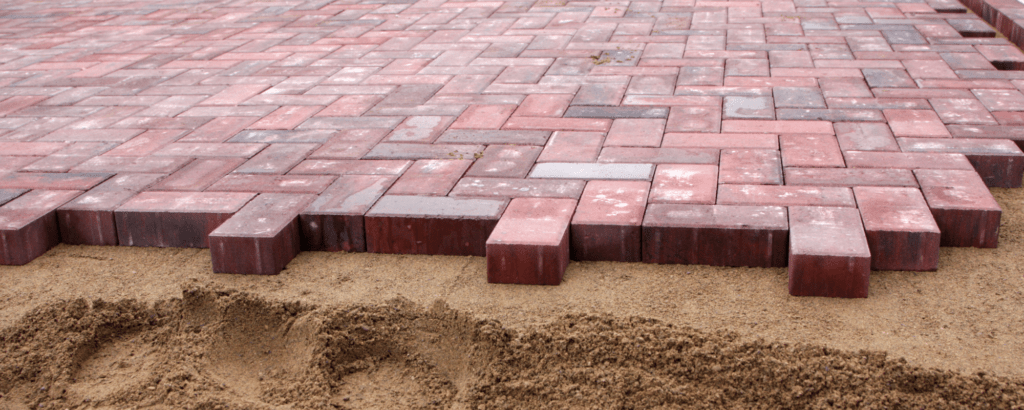
Block paving uses individual rectangular or shaped paving units, made from concrete, clay, or natural stone, laid on a compacted sand bed over a prepared sub-base. The units are installed in a pattern, most commonly herringbone for vehicle areas, and jointed with kiln-dried sand that is swept and vibrated into the joints.
Block paving has been the traditional driveway choice across Essex for decades, and for good reason. It is exceptionally durable, individual units can be lifted and relaid if access to underground services is needed, and it is available in an enormous range of colours, textures, and sizes. A well-installed block paving driveway genuinely enhances the appearance of any property.
Tarmac Driveways
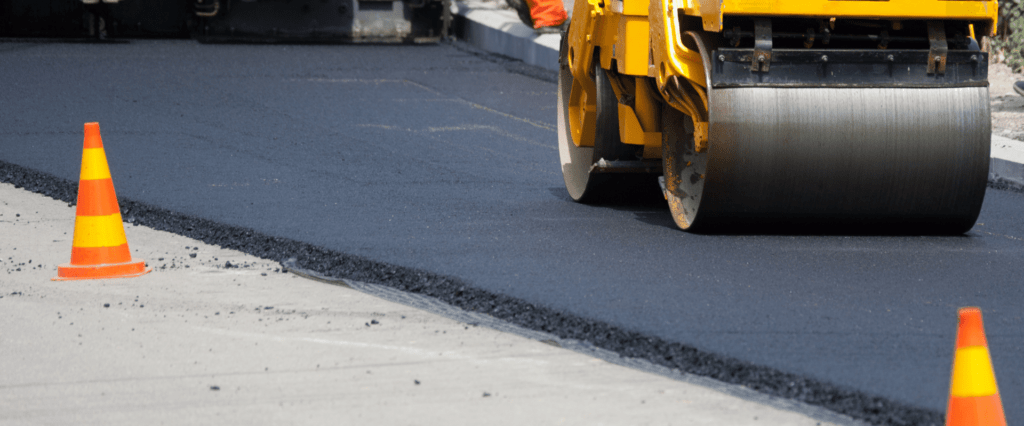
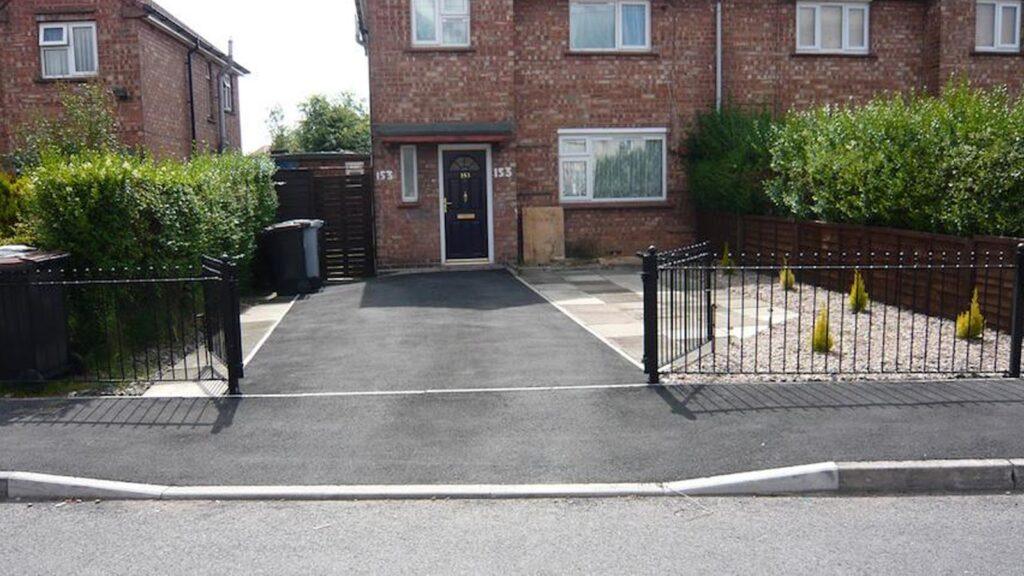
Tarmac, more accurately called macadam or asphalt, is a mixture of aggregate bound together with bituminous binder, laid hot and compacted. It is the most widely used road and driveway surfacing material in the UK and has been for over a century. Its durability, relatively low cost, and quick installation make it a practical and popular choice, particularly for larger driveways where budget is a significant consideration.
Modern tarmac installation has improved significantly. Coloured tarmac in red, green, and buff tones is now widely available, and decorative borders in block paving or sett edging are commonly used to add visual interest to what might otherwise be a plain black surface.
Full Comparison: Resin vs Block Paving vs Tarmac
Cost
For a typical domestic driveway of 40 to 60 square metres in the Chelmsford area, approximate installed costs in 2025 are as follows. These are guide figures including all groundwork, edging, and drainage. Actual costs depend on site conditions, access, and the specification chosen.
- Tarmac: typically £45 to £95 per square metre installed. The most affordable of the three for straightforward installations. A 50 square metre driveway in tarmac might cost between £2,500 and £4,500 depending on groundwork required.
- Resin bound: typically £65 to £120 per square metre installed. The resin and aggregate materials carry a higher cost than tarmac, and the installation requires more skilled labour. A 50 square metre driveway might cost between £3,500 and £6,000.
- Block paving: typically £70 to £130 per square metre installed. The highest material and labour cost of the three. A 50 square metre driveway might cost between £4,000 and £7,000 for a quality installation in concrete block, more for clay or natural stone units.
It is worth emphasising that the groundwork, the sub-base preparation, excavation, and edging, is a significant part of the cost regardless of which surface is chosen. A contractor who quotes significantly below these ranges is very likely cutting corners on the groundwork, which will lead to surface failure within a few years regardless of how good the surface material is.
Durability and Lifespan
| Factor | Tarmac | Block Paving |
| Typical lifespan | 12 to 20 years | 20 to 30 years |
| Resin typical lifespan | 15 to 25 years | |
| Frost resistance | Good (flexible surface) | Excellent (individual units) |
| Crack resistance | Fair (can crack and rut) | Excellent (units flex independently) |
| Repair ease | Can be patched | Individual units can be replaced |
| UV fading | Fades to grey over time | Minimal with quality units |
Resin bound driveways typically last 15 to 25 years when correctly installed on a rigid base. The resin itself is UV-stable and does not fade. The most common cause of premature failure is a sub-base that is not sufficiently rigid, which allows the resin surface to crack as the base flexes. Block paving is the most durable long-term option, with a well-installed driveway commonly lasting 25 to 30 years or more. Tarmac is reliable but has the shortest lifespan of the three and will typically require resurfacing or significant repair work within 15 to 20 years.
Maintenance
Tarmac requires the most ongoing maintenance of the three. It should be resealed every three to five years to protect the surface from UV degradation and water penetration. Cracks and potholes develop over time and need prompt patching to prevent them from spreading. Oil and fuel stains are particularly difficult to remove from an unsealed tarmac surface.
Resin bound is genuinely low maintenance. Its smooth, sealed surface resists staining and is easy to clean with a pressure wash. Weed growth is minimal because the resin fills all the gaps between aggregate particles, leaving no soil to establish into. Moss and algae can form on the surface in shaded areas but clean off easily.
Block paving requires more regular attention than resin. Kiln-dried sand joints wash out over time and need periodic topping up. Weeds establish in the joints and need treatment. Sealing block paving every three to five years significantly reduces both weed growth and staining, and stabilises the joint sand. Individual units that have sunk or become uneven can be lifted and relevelled without disturbing the surrounding surface.
Drainage and Planning Compliance
This is one of the most practically important differences between the three materials, particularly for front garden driveways. Under current planning regulations, confirmed on the Planning Portal, if a new or replacement front garden driveway covers more than five square metres and uses an impermeable surface (one that does not allow water to drain through it), planning permission is required. If the surface is permeable or if rainwater is directed to a lawn or border to drain naturally, no planning permission is needed.
Resin bound surfacing is inherently permeable. Water drains through the surface and into the sub-base below, which means it satisfies the permeable surfacing requirement without any additional drainage design. This is a significant practical advantage, both in terms of planning compliance and in terms of sustainable drainage (SuDS) performance.
Standard block paving with kiln-dried sand joints is also considered permeable when laid correctly over a permeable sub-base. This means a correctly specified block paving driveway also typically satisfies the planning portal’s guidance without requiring additional drainage infrastructure.
Standard tarmac and dense macadam are impermeable. This means that for front garden driveways over five square metres, either planning permission is required, or the drainage must be directed to a lawn, border, or soakaway. PaveRose handles all drainage compliance design as part of our driveway installation service.
Aesthetics and Kerb Appeal
Block paving offers the most design flexibility of the three. The combination of different unit sizes, colours, laying patterns, and border details creates virtually unlimited design possibilities. A well-designed block paving driveway can be a genuine architectural feature that transforms the front of a home. Traditional clay brick block paving in a herringbone pattern is particularly effective on period properties in Chelmsford and Braintree.
Resin bound offers a modern, clean aesthetic that suits contemporary homes and new-build developments particularly well. The wide range of aggregate colours, from natural buff and golden tones to slate grey, white, and blended multi-colour mixes, means the surface can be precisely matched to the property and the planting palette. The seamless, joint-free surface has a premium quality that block paving or tarmac cannot replicate.
Tarmac is the most utilitarian of the three visually. Standard tarmac is black and has a road-like character that some homeowners find underwhelming for a residential driveway. This can be significantly improved by adding a decorative border in block paving or natural stone setts, and by choosing coloured tarmac in buff or red tones. However, tarmac will always have a more functional than decorative character, which is why it tends to be most popular on larger driveways where the practical and cost benefits outweigh the aesthetic limitations.
Which Driveway Type Adds Most Value to an Essex Property?
Block paving and resin bound driveways consistently deliver the strongest uplift to property value in the Chelmsford and Essex market. A well-executed block paving or resin bound driveway in good condition is a recognised positive in property valuations and estate agent listings. Tarmac is viewed more neutrally: it satisfies the functional requirement of a hard standing but does not add the same visual premium.
Research from the UK property market suggests that a quality driveway installation can add between five and ten percent to residential property values, with the most significant uplift coming from materials that enhance the front elevation rather than simply providing a parking surface.
Which Is Right for Your Chelmsford Home?
Choose Resin Bound If:
- You want a modern, seamless finish with maximum kerb appeal
- Low maintenance is a priority and you do not want to deal with weeds or joint sand
- Your front garden is over five square metres and you want automatic planning compliance through permeability
- You have a contemporary or new-build property where a clean, sleek surface suits the architecture
- You want maximum colour and finish options to match your property exactly
Choose Block Paving If:
- You want the most flexible design options including custom patterns and contrasting borders
- Long-term durability and the ability to repair or relay individual areas is important
- Your property has a traditional character that suits the solid, permanent quality of brick or concrete block
- You are willing to commit to periodic sealing and joint maintenance
- You want the highest potential return on investment in terms of added property value
Choose Tarmac If:
- You have a large driveway where cost is a significant factor and a premium surface is less of a priority
- Speed of installation is important, as tarmac can often be laid and in use faster than block paving
- You want a practical, durable surface that will serve its primary purpose reliably without high initial investment
- You are happy to add visual interest through decorative block or sett edging borders
- Budget is the primary constraint and the aesthetic difference between tarmac and premium surfaces is acceptable
Frequently Asked Questions
How long does a resin driveway last in Essex?
A correctly installed resin bound driveway on a properly prepared rigid sub-base will typically last 15 to 25 years. The sub-base is the critical factor. Resin bound installed over a flexible or poorly compacted base will crack as the base moves, regardless of the quality of the resin mix. We always install resin on a rigid macadam or concrete base to ensure maximum longevity.
Does block paving need planning permission?
For rear garden and side access driveways, planning permission is not normally required. For front garden driveways, the Planning Portal guidance states that permeable surfaces do not require planning permission regardless of size. Standard block paving with permeable joints over a permeable sub-base satisfies this requirement. We advise on compliance as part of every driveway project. For properties in conservation areas or on listed buildings, additional restrictions may apply and we recommend checking with Chelmsford City Council before proceeding.
Can I have a resin driveway with block paving edging?
Yes, and this is one of our most popular combinations. A resin bound surface with a block paving or granite sett border gives the clean, modern look of resin with the defined, architectural edge quality of block work. The two materials complement each other well and the combination tends to look particularly effective on properties with brick or stone detailing on the house frontage.
How long does block paving installation take?
For a typical 50 square metre driveway, allow three to five days from excavation to completion. This includes excavation, sub-base preparation, edge restraint installation, laying the paving units, vibrating and jointing, and any decorative border or step details. The driveway can normally be used 24 hours after completion.
Is tarmac suitable for a residential driveway in Essex?
Yes, tarmac is a proven and reliable driveway surface that performs well in the freeze-thaw conditions of the Essex climate. Its main limitation is aesthetic rather than structural. We frequently install tarmac driveways with decorative block paving borders and edging to lift the appearance significantly above a plain tarmac finish, and this combination remains a popular and cost-effective choice across the region.
Can PaveRose install all three driveway types in Chelmsford?
Yes. PaveRose installs resin bound, block paving, and tarmac driveways across Chelmsford, Brentwood, Billericay, Basildon, Braintree, Colchester, Epping, Harlow, Rayleigh, Southend-on-Sea, and all surrounding Essex areas. We provide free, no-obligation quotations for all driveway types. Contact us via paverose.com to arrange your free site survey.
Get Your Free Driveway Quote in Chelmsford
PaveRose Driveways and Landscaping has over 30 years of experience installing resin bound, block paving, and tarmac driveways across Chelmsford and Essex. We will survey your site, discuss your requirements and budget, and recommend the material and specification that best fits your home. Contact us today for a free, detailed quotation with no obligation.